

Take Action With A Goal Setting Workbook
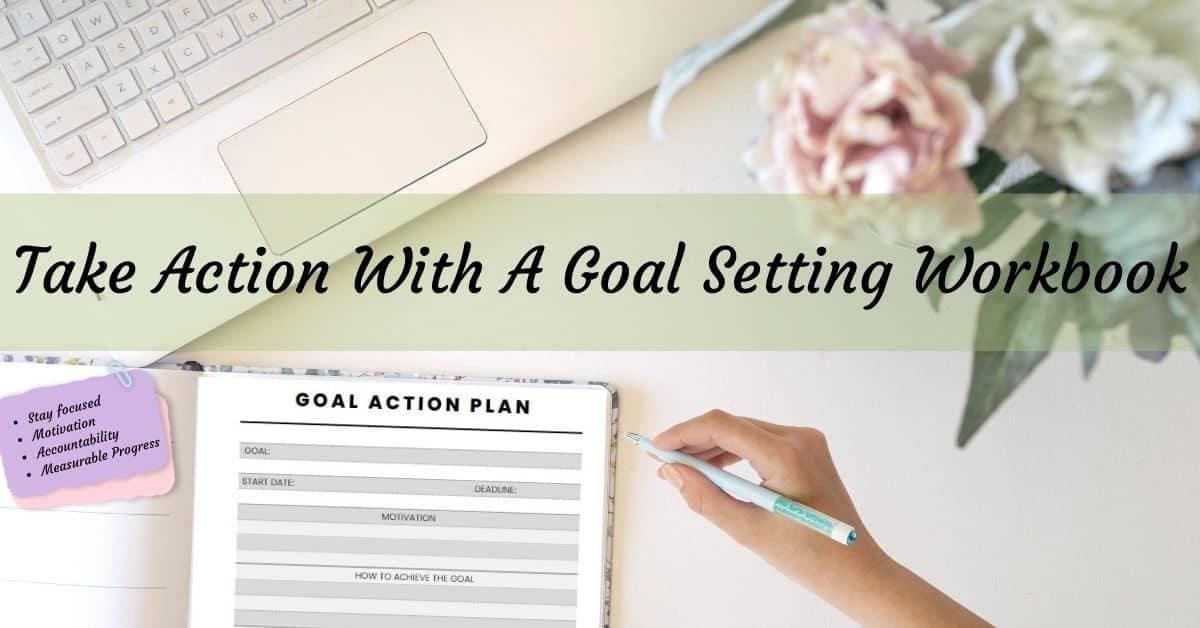

Table of Contents
Goal Setting Workbook: A Comprehensive Guide to Achieving Your Goals
Are you struggling to achieve your goals? Do you find yourself setting goals but never following through with them? If so, you’re not alone. Many people struggle with goal setting and achieving their desired outcomes.
That’s where a goal setting workbook can come in handy. A goal setting workbook is a tool with step-by-step instructions that can help you clarify your goals, break them down into manageable steps, and track your progress along the way. With a goal setting workbook, you can set realistic and achievable goals, develop an action plan to achieve them, and hold yourself accountable for your progress.
Whether you’re looking to improve your health, advance your career, or achieve personal growth, a goal setting workbook can help you get there. By providing structure and guidance, a goal setting workbook can help you stay focused and motivated on your journey towards success. So why not give it a try and see how it can help you achieve your goals?
Why Goal Setting is Important
Setting goals is a crucial step towards achieving success in any area of your life. Whether it’s personal or professional, having a clear understanding of what you want to achieve and how you plan to get there is essential. In this section, we’ll explore the benefits of goal setting and how it can help you achieve success.
Benefits of Goal Setting
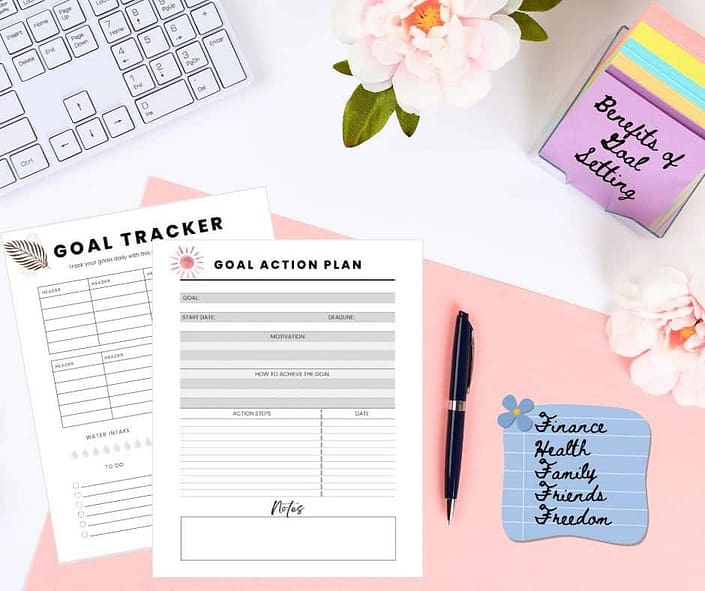
There are several benefits to setting goals, including:
- Clarity: Setting clear goals helps you focus your efforts and prioritize your time. It gives you a sense of direction and purpose, making it easier to make decisions and take action.
- Motivation: Goals provide motivation and a sense of accomplishment when achieved. They give you something to work towards and help you stay on track when faced with challenges.
- Accountability: When you set goals, you hold yourself accountable for your actions and progress. This helps you stay committed to your goals and take responsibility for your success.
- Measurable Progress: Goals allow you to measure your progress and track your success. This helps you stay motivated and adjust your approach if necessary.
How Goal Setting Helps You Achieve Success
Goal setting is a powerful tool for achieving success because it helps you:
- Stay Focused: Setting goals helps you stay focused on what’s important and avoid distractions. It helps you prioritize your time and energy, making it easier to achieve your desired outcomes.
- Create a Plan: Goals help you create a plan of action and identify the steps needed to achieve them. This makes it easier to break down a big goal into smaller, more manageable tasks.
- Stay Motivated: Goals provide motivation and a sense of purpose. They give you something to work towards and help you stay committed to your goals, even when faced with challenges.
- Achieve More: By setting strategic goals, you can achieve more than you thought possible. Goals help you stretch yourself and push beyond your limits, leading to greater success and personal growth.
In conclusion, goal setting is an essential tool for achieving success in any area of your life. It provides clarity, motivation, accountability, and measurable progress, helping you stay focused and achieve your desired outcomes. By setting goals, you can create a plan of action, stay motivated, and achieve more than you thought possible.
Types of Goals
When setting goals, it is important to understand the different types of goals that you can set for yourself. Here are the four main types of goals that you can use to guide your goal-setting process:
Short-Term Goals
Short-term goals are goals that you want to achieve within a relatively short period of time, usually within the next few weeks or months. These can be small goals or large, but they should be specific and measurable. Examples of short-term goals include:
- Completing a project at work
- Running a 5K race
- Learning a new skill
Long-Term Goals
Long-term goals are goals that you want to achieve over a longer period of time, usually several years. These goals are often more complex and require more planning and effort to achieve. Examples of long-term goals include:
- Buying a house
- Starting your own business
- Getting a degree
Personal Goals
Personal goals are goals that are related to your personal life and well-being. These goals can be short-term or long-term and can be related to your health, relationships, or personal growth. Examples of personal goals include:
- Exercising regularly
- Spending more time with family and friends
- Reading more books
Professional Goals
Professional goals are goals that are related to your career and professional development. These goals can be short-term or long-term and can be related to your job performance, skills development, or career advancement. Examples of professional goals include:
- Completing a professional certification
- Increasing your sales quota
- Getting a promotion
By setting goals in each of these categories, you can create a well-rounded plan for achieving success in different areas of your life. Remember to make your goals S.M.A.R.T. goals, specific, measurable, achievable, relevant and timely and to track your progress along the way.
Creating a Goal Setting Workbook
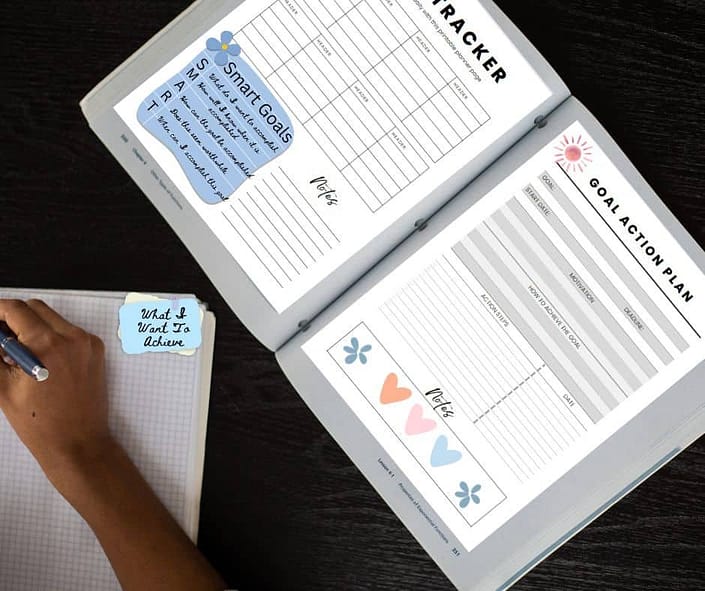
When creating a goal setting workbook, it’s important to consider several factors to ensure that it’s effective and useful. Here are some sub-sections to help guide you through the process:
Choosing the Right Format
The first step in creating a goal setting workbook is to choose the right goal-setting template. There are several options to consider, such as a physical notebook, a digital document, or an app. Consider what format works best for you and your lifestyle. If you prefer to write things down, a physical notebook may be the best option. If you’re always on-the-go, a digital document or app may be more convenient.
Setting Realistic Goals
When setting goals, it’s important to make them realistic and achievable. Start by identifying what you want to achieve and then break it down into smaller, more manageable steps. Set specific deadlines for each step to help keep yourself on track. Remember to keep your goals realistic and achievable to avoid feeling overwhelmed or discouraged.
Tracking Your Progress
Tracking your progress is an essential part of goal setting. It helps you stay motivated and focused on your goals. Consider using a table or chart to track your progress. This will help you see how far you’ve come and what you still need to accomplish. It can also help you identify any obstacles or challenges that you may need to overcome.
Staying Motivated
Staying motivated is key to achieving your goals. Consider setting up rewards for yourself as you reach each milestone. This will help keep you motivated and give you something to look forward to. Additionally, surround yourself with positive influences and people who support your goals. This will help keep you motivated and focused on your goals.
In conclusion, creating a goal setting workbook is a great way to stay on track and achieve your goals. Remember to choose the right format, set realistic goals, track your progress, and stay motivated. With these tips, you’ll be well on your way to achieving your goals.
Tips for Using a Goal Setting Workbook

When it comes to achieving your goals, using a goal setting workbook can be an effective tool to help you stay organized and focused. Here are some tips to help you make the most out of your goal setting workbook:
Review Your Goals Regularly
One of the most important things you can do when using a goal setting workbook is to review your goals regularly. This will help you stay on track and ensure that you are making progress towards achieving your goals. Set aside some time each week or month to review your goals and assess your progress. Use this time to reflect on what you have accomplished so far and what you still need to do to achieve your goals.
Make Adjustments as Needed
As you work towards your goals, you may find that some of your initial plans need to be adjusted. This is perfectly normal and should be expected. If you find that you are not making progress towards your goals, take some time to reassess your plan and make any necessary adjustments. Be flexible and open to change, and don’t be afraid to try new approaches if something isn’t working.
Celebrate Your Achievements
When you achieve one of your goals, it’s important to take the time to celebrate your achievement. This will help you stay motivated and inspired to continue working towards your other goals. Reward yourself for your hard work and celebrate your progress. This will help you stay positive and focused as you continue on your journey towards achieving your goals.
In summary, using a goal setting workbook can be a powerful tool to help you achieve your goals. By reviewing your goals regularly, making adjustments as needed, and celebrating your achievements, you can stay focused, motivated, and on track towards achieving your goals.
Conclusion
Congratulations! The good news is by completing a goal setting workbook you can be taking the first actionable steps towards achieving your dreams. By setting specific, measurable, achievable, relevant, and time-bound goals, you have created a roadmap that will guide you towards success.
Remember that goal setting is an ongoing process, and you may need to adjust your goals as circumstances change. Use the worksheets and templates provided in your workbook to track your progress, celebrate your successes, and learn from your failures.
By reviewing your goals regularly and staying committed to your plan, you can overcome obstacles and achieve your desired outcomes. Remember to stay positive, stay motivated, and stay focused on your goals.
We hope this goal-setting workbook article has been helpful in guiding you towards success. Remember, the only thing standing between you and your dreams is your willingness to take action. So go out there and make it happen!